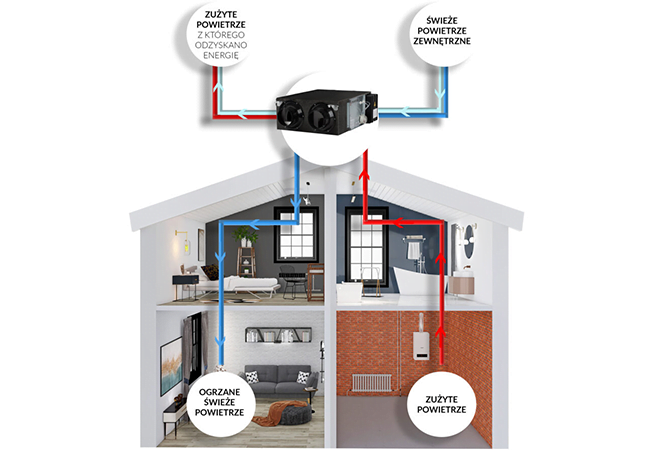
Heat recovery units – mechanical ventilation systems with heat recovery – are becoming increasingly popular in modern buildings. The principal advantage of heat recovery ventilation is the improvement of indoor air quality and energy savings. The filters are a key component of every heat recovery unit and play an essential role in its correct operation. Regular cleaning and maintenance of these filters is essential to ensure the efficiency and longevity of the system.
What functions does a filter in a heat recovery unit perform?
1. Air purification:
Filters remove contaminants from the supply air delivered to rooms. These may include dust, pollen, dust mites, and other allergens and micro-organisms. As a result, the air in the home is cleaner and healthier to breathe.
2. Protection of the heat exchanger
The heat exchanger in a heat recovery unit is the heart of the system, where heat is recovered from the exhaust air. Filters protect the heat exchanger from becoming fouled, which could reduce its efficiency and increase energy consumption.
3. Protection of the ventilation ductwork
Filters prevent contaminants from accumulating in the ventilation ducts. This in turn reduces the risk of mould and bacteria developing, which can thrive in humid conditions.
4. Improvement of energy efficiency
Clean filters ensure the free flow of air through the system, minimising resistance and reducing the energy consumed by the fans. Blocked filters increase the load on the system, leading to higher energy consumption and potential failures.
How frequently should the filters in a heat recovery unit be cleaned?
The frequency of filter cleaning depends on several factors, including the type and model of the heat recovery unit, the level of outdoor air pollution, and the operating conditions of the system. It is generally recommended to check the condition of the filters every 3–6 months and to clean or replace them at least once every six months. In locations with high levels of pollution, such as city centres or industrial areas, more frequent filter servicing may be necessary.
The filters in a heat recovery unit play a critical role in ensuring clean air and the energy efficiency of the system. Regular cleaning and maintenance of the filters is essential in order to maintain a healthy indoor environment, minimise energy consumption, and extend the service life of the heat recovery unit. Neglecting this task can lead to a deterioration in air quality, increased operating costs, and the risk of system failure. It is therefore worth attending to filters regularly in order to enjoy the full benefits of owning a heat recovery unit.
How should the filters be cleaned?
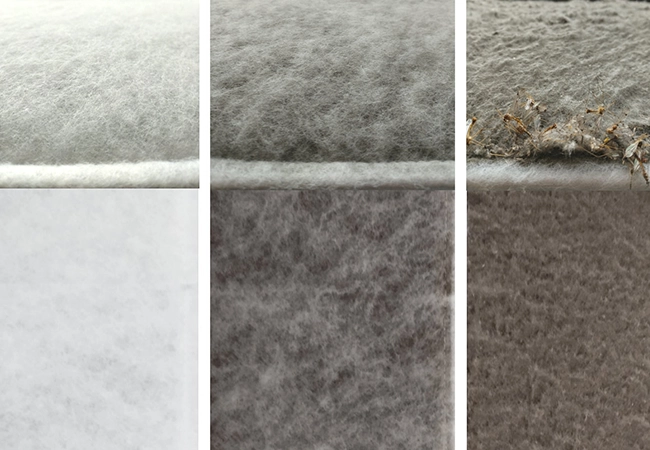
Filter cleaning in a heat recovery unit should be carried out regularly to maintain filter effectiveness and ensure the proper functioning of the ventilation system.
It is recommended to check the condition of the filters every 3 months. During the check, the degree of soiling and the air throughput should be assessed.
In most cases, filters should be cleaned every 3–6 months. However, in locations with high levels of pollution, such as industrial areas or cities, more frequent cleaning may be necessary – even every 2–3 months.
Filters can be cleaned using a vacuum cleaner (to remove larger contaminants) or by gentle washing with soapy water (if the filters are reusable and the manufacturer recommends this). Before reinstalling the filters, ensure they are completely dry.
How often should the filters be replaced?
1. Standard G3/G4 filters
These basic filters should be replaced every 6–12 months. Their primary function is to capture larger particles of dust and debris.
2. Fine filters F7/F9
Higher-grade filtration filters, which capture smaller particles, should be replaced every 6–12 months. In areas with high levels of air pollution, they may require more frequent replacement – even every 3–6 months.
3. Carbon filters
Carbon filters, used to remove odours and chemical contaminants, are typically replaced every 6–12 months, depending on the intensity of use and the level of pollutants.
Bear in mind that the rate at which filters become soiled is affected by several factors to be taken into account:
1. Location:
In locations with high levels of pollution, such as city centres or industrial areas, filters may become soiled more quickly and require more frequent maintenance.
2. Seasonality:
During periods of heavy pollen dispersal, such as spring, filters may require more frequent cleaning or replacement.
3. Intensity of use:
In homes occupied by a larger number of people, or in public buildings, the heat recovery unit operates more intensively, which may increase the frequency of maintenance required.
4. Indoor air quality:
If there are pets in the home, tobacco is smoked, or dust-generating appliances are used – such as an open fire – filters may wear out more quickly.
Summary
Regular cleaning and replacement of filters in a heat recovery unit are essential to maintaining its efficiency and longevity. Standard filters should be cleaned every 3–6 months and replaced every 6–12 months. Fine filters and carbon filters require more frequent inspection and may need replacement every 6–12 months, depending on conditions. Checking the condition of filters every 3 months enables a rapid response to any contamination and keeps the heat recovery unit in excellent condition. Regular maintenance is an investment in health, comfort, and energy savings.